Buy stickamtube.eu ?
We are moving the project
stickamtube.eu .
Are you interested in purchasing the domain
stickamtube.eu ?
domain@kv-gmbh.de · 0541-91531010
Buy stickamtube.eu ?
Should I install the Dayco timing belt or should I buy a different belt?
It is important to consider the specific requirements of your vehicle and the recommendations of the manufacturer when choosing a timing belt. Dayco is a reputable brand known for producing high-quality timing belts, so installing a Dayco timing belt could be a good choice. However, it is also important to consider other factors such as the age and mileage of your vehicle, as well as any specific performance or durability requirements. It may be beneficial to consult with a trusted mechanic or refer to your vehicle's manual for guidance on the best timing belt for your specific needs. **
Has the V-belt broken?
I'm sorry, but I am unable to physically inspect the V-belt. It is recommended to visually inspect the V-belt for any signs of damage such as cracks, fraying, or stretching. If you suspect that the V-belt may be broken, it is best to have a professional mechanic inspect and replace it if necessary to avoid any further damage to the vehicle. **
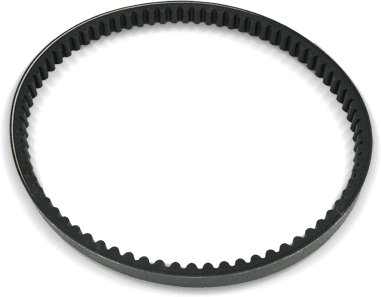
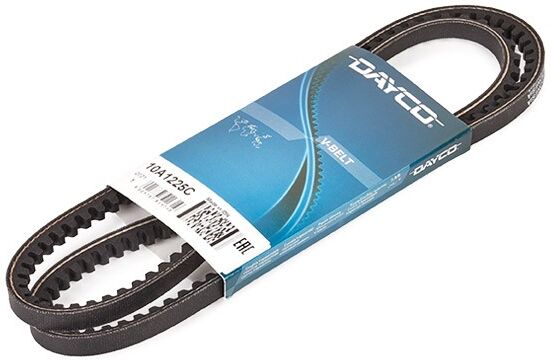
Similar search terms for DAYCO-13A0610C-V-Belt
Top-Angebote
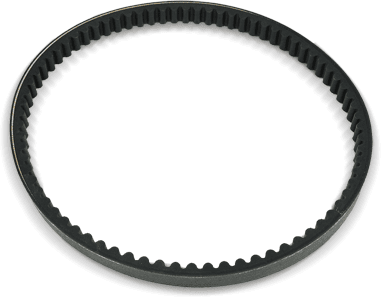
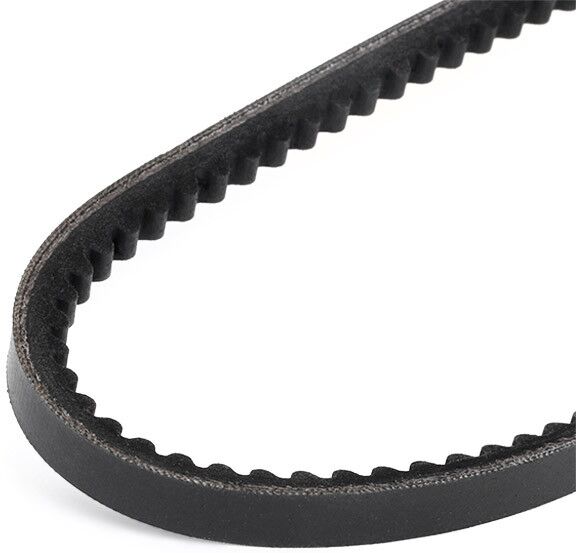
Products related to DAYCO-13A0610C-V-Belt:

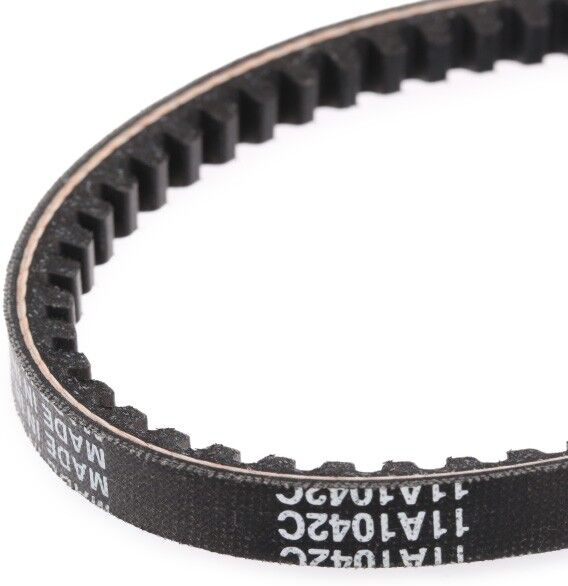
-
How can one fix the squeaking of the V-belt with V-belt spray?
To fix the squeaking of a V-belt with V-belt spray, you should first identify the source of the squeaking by inspecting the belt for any signs of wear or damage. Once identified, you can spray the V-belt spray directly onto the belt while the engine is running to lubricate and reduce friction. It is important to follow the manufacturer's instructions on the proper application of the spray to ensure effective results. Additionally, regular maintenance and proper tension adjustment of the V-belt can help prevent future squeaking issues. **
-
When does the V-belt break?
The V-belt can break due to a variety of reasons, including wear and tear from regular use, exposure to extreme temperatures, or improper tension. Additionally, the V-belt can break if it becomes contaminated with oil or other fluids, which can cause it to slip or deteriorate. It is important to regularly inspect and maintain the V-belt to prevent breakage and ensure the smooth operation of the equipment it is powering. **
-
Should I change the V-belt?
If the V-belt is showing signs of wear such as cracks, fraying, or glazing, then it is recommended to change it. A worn V-belt can lead to decreased performance and potential damage to other components in the system. It is important to regularly inspect the V-belt and replace it as needed to ensure the smooth operation of your vehicle. **
-
What is the difference between a timing belt, a V-belt, and a serpentine belt?
A timing belt is a toothed belt that connects the crankshaft to the camshaft in an engine, ensuring that the valves open and close at the right time. A V-belt is a rubber belt with a V-shaped cross-section that is used to transmit power between pulleys, typically in older vehicles. A serpentine belt is a single, flat, multi-ribbed belt that drives multiple engine components such as the alternator, power steering pump, and air conditioning compressor. Each type of belt serves a different purpose and is designed to operate in specific conditions within a vehicle's engine. **

Why isn't the V-belt going up?
There are a few potential reasons why the V-belt may not be going up. It could be due to insufficient tension in the belt, causing it to slip or not engage properly. Another possibility is that the pulleys or sheaves may be misaligned, causing the belt to track incorrectly. Additionally, the belt itself may be worn or damaged, leading to decreased performance. It's important to inspect and address these potential issues to ensure the V-belt operates effectively. **
Why is the new V-belt squeaking?
The new V-belt may be squeaking due to improper installation or tension. If the belt is not aligned correctly or is too loose, it can cause friction and produce a squeaking noise. Additionally, the belt may be of low quality or not compatible with the pulleys, leading to noise when in operation. It is important to ensure proper installation and tensioning of the V-belt to prevent squeaking and ensure optimal performance. **
Top-Angebote
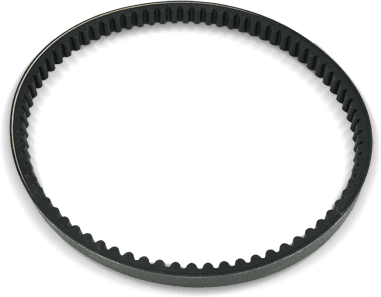
Products related to DAYCO-13A0610C-V-Belt:
-
Should I install the Dayco timing belt or should I buy a different belt?
It is important to consider the specific requirements of your vehicle and the recommendations of the manufacturer when choosing a timing belt. Dayco is a reputable brand known for producing high-quality timing belts, so installing a Dayco timing belt could be a good choice. However, it is also important to consider other factors such as the age and mileage of your vehicle, as well as any specific performance or durability requirements. It may be beneficial to consult with a trusted mechanic or refer to your vehicle's manual for guidance on the best timing belt for your specific needs. **
-
Has the V-belt broken?
I'm sorry, but I am unable to physically inspect the V-belt. It is recommended to visually inspect the V-belt for any signs of damage such as cracks, fraying, or stretching. If you suspect that the V-belt may be broken, it is best to have a professional mechanic inspect and replace it if necessary to avoid any further damage to the vehicle. **
-
How can one fix the squeaking of the V-belt with V-belt spray?
To fix the squeaking of a V-belt with V-belt spray, you should first identify the source of the squeaking by inspecting the belt for any signs of wear or damage. Once identified, you can spray the V-belt spray directly onto the belt while the engine is running to lubricate and reduce friction. It is important to follow the manufacturer's instructions on the proper application of the spray to ensure effective results. Additionally, regular maintenance and proper tension adjustment of the V-belt can help prevent future squeaking issues. **
-
When does the V-belt break?
The V-belt can break due to a variety of reasons, including wear and tear from regular use, exposure to extreme temperatures, or improper tension. Additionally, the V-belt can break if it becomes contaminated with oil or other fluids, which can cause it to slip or deteriorate. It is important to regularly inspect and maintain the V-belt to prevent breakage and ensure the smooth operation of the equipment it is powering. **
Similar search terms for DAYCO-13A0610C-V-Belt
-
Should I change the V-belt?
If the V-belt is showing signs of wear such as cracks, fraying, or glazing, then it is recommended to change it. A worn V-belt can lead to decreased performance and potential damage to other components in the system. It is important to regularly inspect the V-belt and replace it as needed to ensure the smooth operation of your vehicle. **
-
What is the difference between a timing belt, a V-belt, and a serpentine belt?
A timing belt is a toothed belt that connects the crankshaft to the camshaft in an engine, ensuring that the valves open and close at the right time. A V-belt is a rubber belt with a V-shaped cross-section that is used to transmit power between pulleys, typically in older vehicles. A serpentine belt is a single, flat, multi-ribbed belt that drives multiple engine components such as the alternator, power steering pump, and air conditioning compressor. Each type of belt serves a different purpose and is designed to operate in specific conditions within a vehicle's engine. **
-
Why isn't the V-belt going up?
There are a few potential reasons why the V-belt may not be going up. It could be due to insufficient tension in the belt, causing it to slip or not engage properly. Another possibility is that the pulleys or sheaves may be misaligned, causing the belt to track incorrectly. Additionally, the belt itself may be worn or damaged, leading to decreased performance. It's important to inspect and address these potential issues to ensure the V-belt operates effectively. **
-
Why is the new V-belt squeaking?
The new V-belt may be squeaking due to improper installation or tension. If the belt is not aligned correctly or is too loose, it can cause friction and produce a squeaking noise. Additionally, the belt may be of low quality or not compatible with the pulleys, leading to noise when in operation. It is important to ensure proper installation and tensioning of the V-belt to prevent squeaking and ensure optimal performance. **
* All prices are inclusive of VAT and, if applicable, plus shipping costs. The offer information is based on the details provided by the respective shop and is updated through automated processes. Real-time updates do not occur, so deviations can occur in individual cases. ** Note: Parts of this content were created by AI.